The statistics and trends for 2026 in Australian tourism reveal a labour market where there are real openings to be had, provided one is prepared to put in the hours, work with some flexibility and make a move to a regional area. While the industry has not gone away, operators have their work cut out for them with inflation, higher costs for labour and an inability to put qualified applicants on the books.
Then again “tourism employment” is something of a misnomer if taken as a single category of work. One finds it in everything from accommodation and transport to cafés, restaurants, travel services and events. That breadth creates diverse careers in tourism. Benjamin Redfern has made his way around the restaurant and café scene and regional tourism for years; his take is that you can have solid bookings in a tourism business but still come to grief without a sufficient number of good supervisors, room attendants, drivers or trained chefs.
Tourism Employment At A Glance

By and large the workforce in Australia is seasonal, mobile and wide ranging. There are those who require permanent staff to see to compliance, rosters and customer service through the year, others will want extra help for the school holidays, a festival, summer or the dry season up north.
One should be circumspect in interpreting the 2026 figures. Since the final national totals will not all be in one release, a responsible analysis does not rely on a solitary number to tell the story of the industry but draws on what the Australian Bureau of Statistics puts out, operator experience and other job-market indicators.
| Employment Area | Typical Roles | 2026 Labour-Market Pattern | What is required of applicants |
|---|---|---|---|
| Accommodation | Duty managers, housekeepers, reception and maintenance | Regional destinations and when visitors are thick on the ground call for more | Flexibility with shifts, reliability and being able to deal with guests |
| Food And Beverage | Supervisors, café staff, waiters, cooks and chefs | Small applicant pools and long hours put pressure on | Teamwork, food safety, composure and quickness |
| Tour Operations | Experience coordinators, booking staff, drivers and guides | Dictated by the weather, season and how many are coming in | The right licences, local knowledge and good customer care |
| Attractions And Events | Event crews, educators, ticketing and crowd control | Casual or project work with demand spiking | Punctuality and an eye for safety |
| Regional Tourism | Multi-skilled in activities, food and lodging | Local labour is in short supply so vacancies last | One must be adaptable, plan for transport and open to relocation |
For any measurement of the national picture the Australian Bureau of Statistics is where to start; its tourism statistics separate the activity from the rest of the economy. The Tourism Satellite Account in the Australian National Accounts will give some idea of the economic context and structure of employment. As for hiring pressure, Indeed and other job ads are indicative, though they do not equate to a position being filled.
Who Works In Tourism?
From the management side down to the technical and operational, and all the customer-facing jobs in between, tourism puts people to work. The guest may put the guide in mind, yet the whole thing hinges on the one who closes the venue, makes sure the vehicle is in order, cleans the room and sees to dietary needs.
You will find owner-operators, working holiday makers, students, casuals and part-timers alongside permanent staff. It affords a business some leeway but also means the roster can be tenuous in a regional town with more vacancies than workers, or when a few decide to leave.
Direct And Supporting Roles
There is a difference to be made between direct jobs in the likes of guided tours, visitor information, travel agencies and restaurants and the supporting employment of the marketing, cleaning contractors, technology and laundry services that underpin them. The same goes for vehicle maintenance and food suppliers. When looking at the statistics this is significant; a narrow count of the direct industries will not have the broader economic view of those whose livelihood is tied to the visitor.
Roles Hiring Most Often

What is in demand tends to be the sort of job that keeps the place running day to day. You cannot run a kitchen on a laminated roster and good intentions which is why there is always need for chefs and cooks. Tour operators are after staff to handle the safety procedures and the odd customer query in changing weather without flinching, as well as guides and booking coordinators. Accommodation will be putting out calls for supervisors, maintenance and the like.
Skills Employers Value
A formal qualification is only part of it for an employer; they will put a premium on someone turning up to time and following a safety protocol over a person with a fine résumé who is nowhere to be found when the roster is less convenient. Among the useful things to have are driver licensing, digital communication, conflict management, cash handling and first aid. Where it applies, responsible service of alcohol and food safety are also valued. A worker in the field has to be prepared for more than just the job at hand; in some of these out of the way places one must also contend with the heat, wildlife, the distances involved and what the wet season does to access.
- Do not apply without first seeing to it that you have the necessary registration, licence or certificate.
- Find out if your wages will be put towards the cost of a uniform, transport, meals or where you are staying.
- Get it in writing from the employer: the length of the contract, how you are paid, minimum hours and the roster.
- Make your own transport arrangements for regional spots where there is not much in the way of buses, particularly for early or late days.
- Make a habit of keeping your payslips and a record of any workplace discussion on conditions as well as the hours you put in.
Why Staffing Shortages Continue
It is easy to characterise the hospitality staffing shortage in Australia as a straightforward dearth of workers but the truth is more complicated. An operator might have an opening yet the applicant is without the right skills, is living too far off, requires set hours or figures the pay will not justify a move.
Then there are the demands of a tourism position: split shifts, weekends, public holidays, work that is hard on the body and the odd change of plans due to the weather or a booking. It is not bad work, it is just something an employer has to be upfront about and make allowances for where he can.
What Most People Get Wrong
There is a notion that a staff shortage is an open door to a well remunerated position for anyone who applies. For an entry level candidate the suitable roles are few and they will have to vie for them, even as there is plenty of demand for a good mechanic, an experienced chef or a licensed driver.
One does not do oneself any favours by regarding a regional post as a city job with better views. In my time with the tourism trade in Tasmania I found the practicalities to be of greater import than the scenery. A missing note on a booking, a full dining room or a vehicle on the fritz would put a damper on the day.
And the bush will not provide a supermarket or a mobile signal when called upon. Regional staff have to put in their own time to organise groceries within trading hours, find somewhere to sleep and see to their own conveyance.
Working Holiday Visa Effects
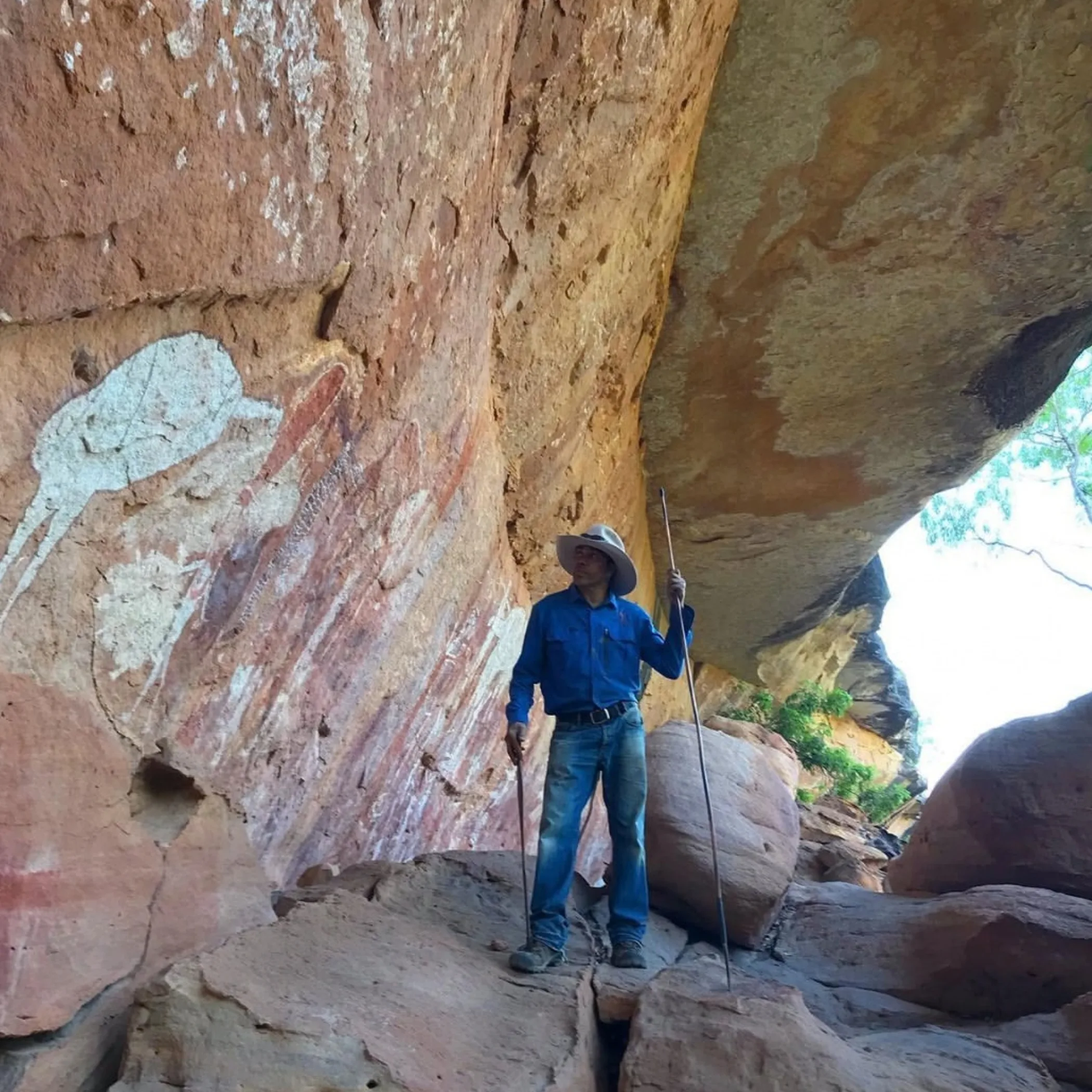
Those on working holiday visas are a boon for short term needs in the accommodation and food service sectors, or on a farm, and will have the energy and language ability to see a seasonal peak through. But they are no panacea for the workforce issues in Australian tourism. With their visa restrictions, travel itineraries and the like, retention is hard. The employer still has to ensure the workplace is safe, pay is lawful and the job is described in a realistic fashion.
Seasonal Workers And Retention
Whether it is a working holiday maker or other seasonal help, they will want to know where they can lay their head and how to get to the job, even if it is in a coastal town or near the Red Centre or Stuart Highway.
An operator who wants to keep his staff will give clear instructions on arrival and be a fair supervisor. The welcome briefing ought to tell them of any hazards, the location of the nearest medical, emergency numbers and the procedure should a cyclone or bushfire shut things down.
Inflation And Labour Costs

Both sides of the market are feeling inflation. The business has to put up with steeper bills for software, ingredients, insurance and power while the employee’s wage has to go further to cover rent and the rest of living.
Wages have to be set with an eye on margins but overdo the cuts and you will have longer waits and cleaning that does not meet standard. Not to mention turnover. A customer may put up with a delay but they will not be so understanding if the place is crammed and no one seems to be in charge.
Better Jobs, Better Operations
You cannot put every vacancy to rights with a higher wage. There is value in offering progression, paid training and a management style that is respectful.
As for the worker, the hourly rate is only part of the equation. See if there are guaranteed hours, penalty rates or unpaid trial work. Will the job be there once the rush is over? What of the uniform and any charges for accommodation? An offer that is not much to look at might be fine with cheap lodgings, whereas a better rate is of little use if travel and rent eat it up.
Regional Employment By Season
Demand in regional tourism Australia is subject to sharp variations. You will have strong summer trade in coastal New South Wales, regional Victoria or Tasmania, whereas in the north things are geared to the dry season. In the Top End or northern Western Australia one has to plan for the wet season and any cyclone alerts between November and April as well as the state of the roads.
One has to be prepared for long distances and a paucity of services with positions on the Gibb River Road, in the Pilbara or along the Stuart Highway and other outback haunts. Before taking on such work an applicant would do well to put some things to rest: are the roads sealed? Is a four-wheel-drive a must? Do you need an NT Parks Pass or some other form of access for park duties? And where Aboriginal land is concerned, are there permits to be had?
Expectation And Reality
Expectation: One puts in a shift and can then putter into a town centre of some animation.
Reality: Certain roles involve staff quarters, early starts, not much in the way of shops and a social life that is anything but loud. Some find it ideal; others will be tallying up the kilometres to get back to a decent cup of coffee.
Then there is the weather which can dictate your day and your workload. Unsealed roads may be shut by heavy rain, bushfire closures put a stop to bookings and the summer heat can be an impediment to outdoor tours. A worker should have water to hand, sun protection and heed any local warnings; a remote track is not to be taken as a casual shortcut.
Building A Tourism Career

There is more to tourism in Australia than a bit of casual front-of-house. One might advance from waiter to supervisor, receptionist to operations coordinator, or make the leap from guide to product manager. The skills are portable to sales, training, events, transport and even running one’s own business.
Those of mind to pursue a varied career in tourism would be wise to discern what they like doing. There are those who relish contact with guests and those content in the background with the logistics, seeing to it that the rosters, vehicles and booking notes are in order.
A Practical Job Search Plan
Make of your one day what you can by putting first the employers that have put out a proper advertisement with pay and duties spelt out and someone to contact. It is worth looking past the capital cities but factor in the cost of getting to the job before saying yes to an offer.
Have a résumé to hand that is uncluttered and tells of your licences, certificates, availability and any customer-service history, including an openness to weekends or a move. Put in two references who can vouch for your reliability and teamwork and how you handle a lunch rush when it comes on like a determined little weather system.
Do not think every position is open to a novice. Remote driving, a commercial kitchen or supervisory work calls for experience, fitness and good safety judgement. Put your questions to them direct before you are halfway down a dusty track wondering what is required.
Questions About Tourism Jobs
Applicants and employers alike have these concerns, as do those following the trends in employment. The answers are straightforward enough but local conditions have a way of changing with the weather or the bottom line.
What Are High-Demand Occupations In Australia For 2026?
Chefs, cooks, drivers, guides, maintenance and booking or operations staff are in demand in the hospitality and tourism sector as are supervisors and accommodation personnel. But “high demand” is no sure thing for a job in every town; it is a matter of location, season and state.
Has Tourism Dropped In Australia?
To put it as simply up or down is misleading. You will have visitor numbers and spending moving one way and international arrivals another. A destination can be swamped while a neighbouring region has to contend with cancellations or the cost of doing business.
What Are The Top Three Industries Of Employment?
You will not get a tourism-only answer as the industry is cross-cutting. Accommodation and food services are the most obvious employer of tourists but so too does retail, arts and recreation and transport. How you rank them is a question of what you are measuring.
Is There A Shortage Of Hospitality Staff?
It is true many businesses in Australia have trouble to put a face to a suitable role, if it is seasonal or hard physical labour. Call it a shortage of qualified applicants for the job at hand, but it is no guarantee a vacancy will be yours for the asking.
Do Backpacker Visas Guarantee Tourism Work?
Not at all. A Working Holiday visa gives you leave to work within its terms but does not put a job or wage in your pocket. Check the rules and the workplace conditions via the proper channels before making the journey.
What 2026 Means For Workers

Opportunity is steady if expectations are sterner. The business wants service and reliability and the wherewithal to deal with the vagaries of the season.
The best of it may be found away from the city but regional work is no place for false economy. Make your plans, check your emergency arrangements and the fine print of a contract before heading bush. At the end of the day the workforce is made of the practicalities: a room in order, a vehicle that is safe, a booking done right and a person who is there as he said he would be.